

The Ultimate 2026 Guide to San Judas Tadeo
Miracles, Meaning, and the Art of Faith
Introduction: The Gold & Green Shield
In the shifting landscape of 2026, the resonance of San Judas Tadeo has never been more profound. As we navigate a world defined by rapid change, the ancient devotion to the "Patron of Hope" provides a stabilizing anchor.
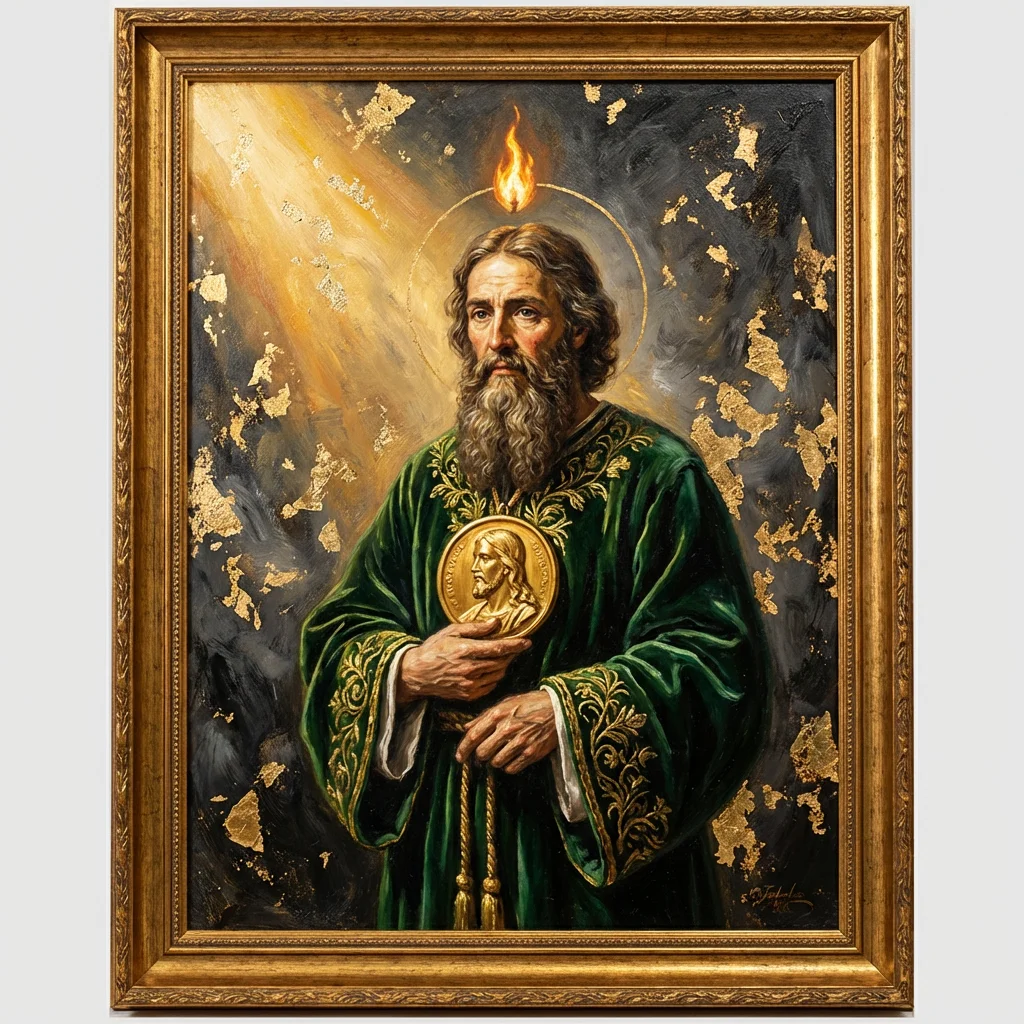
"The Art of Faith aesthetic—a sophisticated palette of deep black, radiant gold, and vibrant emerald—perfectly captures this contemporary spiritual movement."
Black represents the trials and the "dark night of the soul" that many face. Gold signifies the divine light, the incorruptible grace that filters through even the heaviest burdens. Emerald, the color of rebirth, serves as a constant reminder that hope is a resilient force.
Chapter 1: The Historical St. Jude
Known in the New Testament as Jude Thaddeus, he was one of the original twelve apostles chosen by Jesus. Often identified as the brother of James the Less, Jude’s identity is frequently overshadowed by his namesake, Judas Iscariot. This earned him the title "The Patron of Lost Causes."

Divine Intervention in 2026
Today, millions carry his image as a symbol of resilience. Our 2026 collection honors this legacy through premium sacred art and jewelry designed for the modern devotee.
Continue Exploring San Judas Tattoo Ideas
Compare visual directions in the San Judas Tattoo Gallery, learn more about San Judas tattoo meaning and symbols, or browse San Judas art and devotional products. Use these references as inspiration and ask a qualified tattoo artist to adapt scale, detail and placement to your body.
Who San Judas Tadeo Represents
San Judas Tadeo is the Spanish name commonly used for Saint Jude Thaddeus, one of the apostles. Devotion to him is especially visible in Latin American communities and among people facing difficult circumstances. References to miracles belong to personal testimony and religious tradition; they should not be treated as a promise that a prayer or image will produce a particular result.
Recognizing His Symbols
The flame above his head refers to the Holy Spirit at Pentecost. A staff can recall travel and missionary work, while the medallion of Christ is part of a devotional tradition associated with Saint Jude. Green garments are widely used in popular imagery and often suggest hope. Artists may add roses, rays, candles or architectural framing, but the face, flame and medallion usually need the clearest visual priority.
From Sacred Art to Tattoo Planning
A strong tattoo concept adapts the imagery to the body instead of copying a flat picture. Consider viewing distance, movement, clothing and how much detail the chosen placement can hold. Forearms and calves often suit vertical compositions; the chest, back and thigh allow broader arrangements; sleeves need visual transitions around joints.
Explore the history of San Judas Tadeo, compare concepts in the tattoo gallery, and read the symbolism guide. These resources are for education and inspiration; an artist should adapt the final design to anatomy, scale and personal meaning.